
Traditional Providers
Open a Thai Baht Business Account
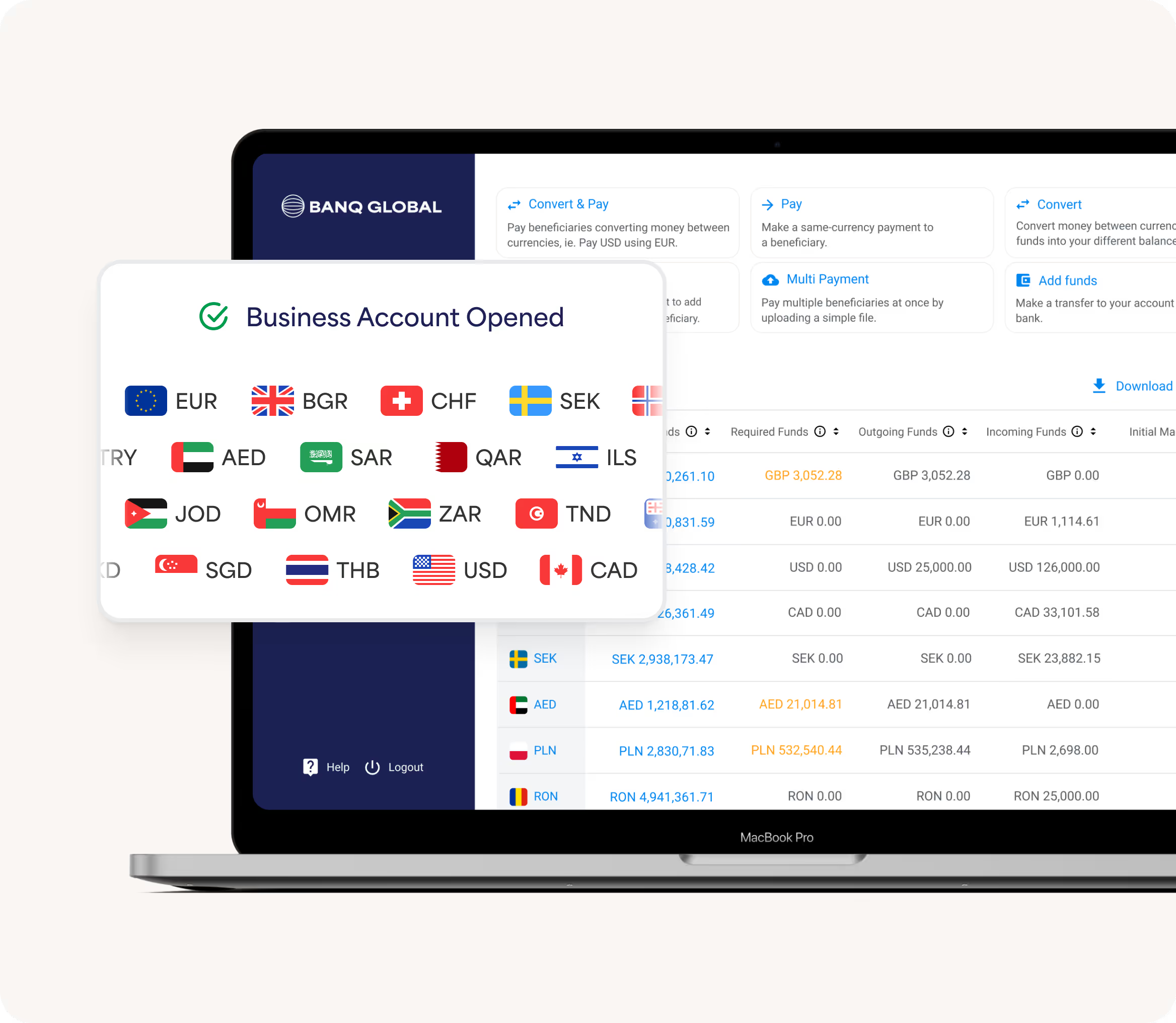
Open a THB business account and operate across Thailand with confidence. Hold, send, and receive THB via SWIFT for international transfers. Manage your THB balances with clear control over every transaction.
1
Reduce FX friction and simplify international transfers
1
Unique account details in your company’s name
1
Access SWIFT network for THB payments
1
Suitable for international operations, non-resident directors, and multi-jurisdictional ownership
Thai Baht
Currency name
THB
ISO code
฿
Currency symbol
What’s Included with Your Thai Baht Business Account
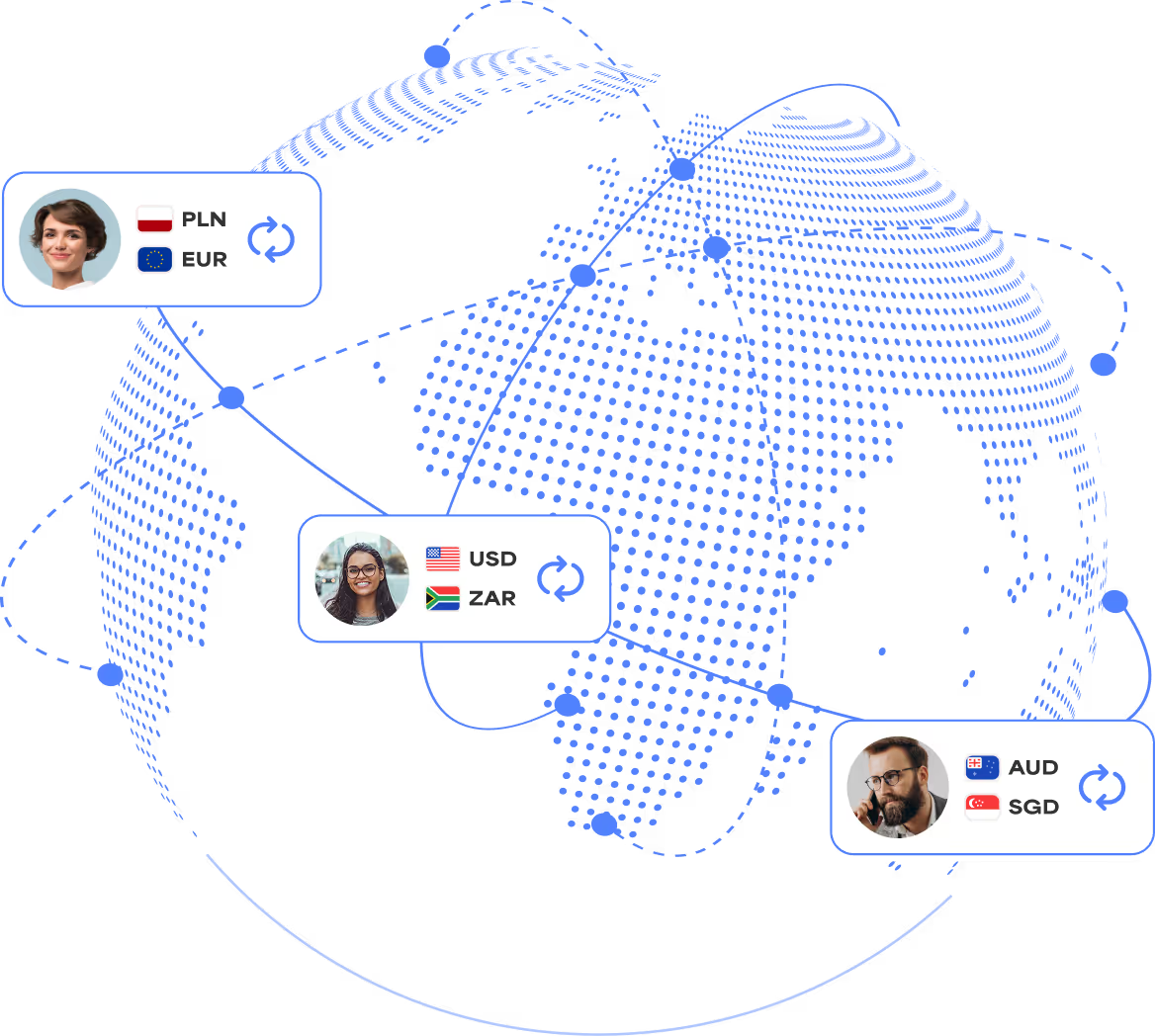
A dedicated THB currency account connects your operations to Thailand's economy without the complexity of establishing a domestic banking presence. You can send, receive, and hold THB under a single multi-currency framework, ensuring greater control over liquidity and conversions.
Key Benefits
Collect revenues in THB without forced conversion into another base currency.
Pay suppliers and counterparties in their preferred currency.
Align FX execution with treasury policy and market timing.
Build credibility and trust with Thai and global counterparties.
The Risk of Not Having a Thai Baht Account
Managing THB activity only through foreign-currency accounts or ad-hoc conversions creates unnecessary cost, delays, and compliance challenges. Without a dedicated THB account, local settlement becomes slower and less predictable.
FX erosion:
Repeated, unplanned conversions compress margins.
Payment delays:
SWIFT-only routes add intermediaries, days, and fees.
Counterparty friction:
Local partners prefer THB transfers to domestic accounts.
Compliance hurdles:
Paying local taxes and payroll without THB can be challenging.

Who We Serve
Our THB Business Accounts Are Designed for
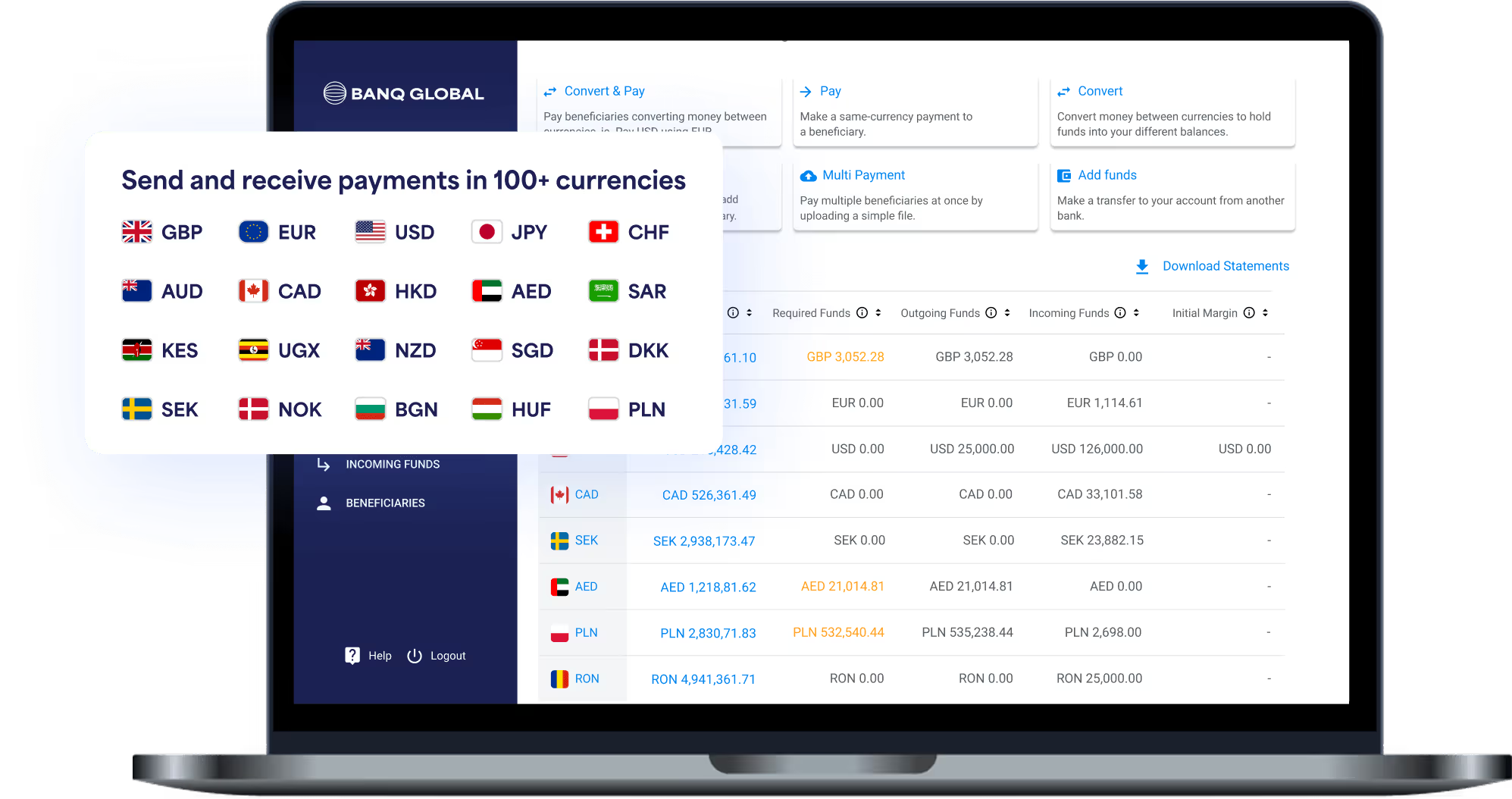
We support a wide range of internationally minded businesses. From fast-growing companies expanding to Thailand to established global organisations managing complex operations.
Global Corporates
Centralise THB receivables, fund suppliers and payroll, and align THB costs with THB revenues for cleaner margins.
Explore

Funds & Institutions
Manage capital calls and distributions in THB with role-based approvals and clear audit trails.
Explore

Private Equity
Efficient THB flows for deals, fees, and SPV/holdco structures with policy-driven FX.
Explore

Family Offices
Discreet THB management for assets, commitments, and inter-entity transfers under tight permissions.
Explore
The All-in-One Platform
Banq Global vs. Traditional Providers

Open business accounts (20+ countries)


Open multi-currency accounts (30+ currencies)
Preferential exchange rates (130+ currencies)
Receive global payments (190+ countries)
Make global payments (190+ countries)
Currency risk management
Mass payments
Trade finance
All-in-one platform
Dedicated relationship manager
Business Account - Step by Step
How to Open a Thai Baht Business Account
A clear, expert-led process that reduces rework, shortens decision time, and maintains certainty.
01
Scoping & Fit
We review your structure, directors, UBOs, and THB flows to confirm feasibility and align the account with your treasury needs.
02
Document Pack
A precise, tailored checklist for your entity type and structure, minimising rounds of clarification.
03
Compliance Review
Disciplined AML/KYC due diligence with prompt Q&A and clear status visibility.
04
Account Issuance
THB account in your company’s name with SWIFT enablement.
05
Go-Live & Controls
Users, roles, approvals, payment templates, and FX policy (including market orders) configured to your standards.
Thai Baht Business Account - FAQs
Opening a THB account raises questions on eligibility, payment rails, non-resident onboarding, and compliance. Below are answers to the questions global finance teams ask most often.